umesh
umesh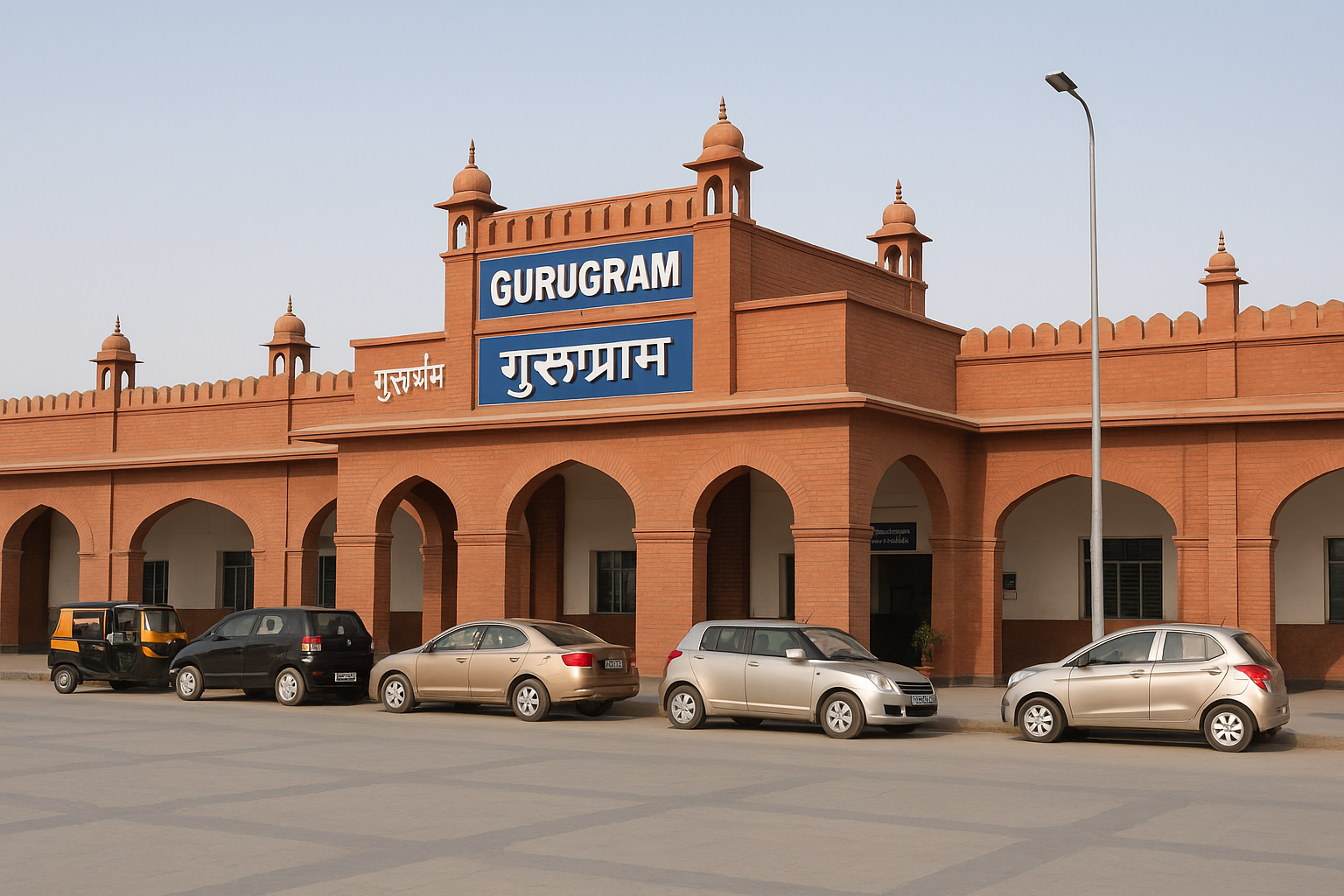
Introduction to Gurugram District
Gurugram district, formerly known as Gurgaon, lies in the northern Indian state of Haryana and is a leading financial and technology hub. Bordering the National Capital Territory (NCT) of Delhi, It has transformed dramatically over the past few decades, offering a blend of modern infrastructure and deep-rooted cultural heritage.
In this detailed guide, we explore the history of Gurugram, its geography, economic strength, places to visit, administration, and more — making it an ideal read for travelers, students, and researchers alike.
History and Formation of Gurugram District
Historically known as Gurgaon, the name “Gurugram” means the village of the guru. According to legend, this area was gifted by the Pandavas to Guru Dronacharya, the teacher of the Kauravas and Pandavas from the Mahabharata.
Gurugram remained a small settlement for centuries until the late 20th century, when it began to rapidly urbanize. It became a district in 1972 and was officially renamed from Gurgaon to Gurugram in April 2016.
Geography and Climate
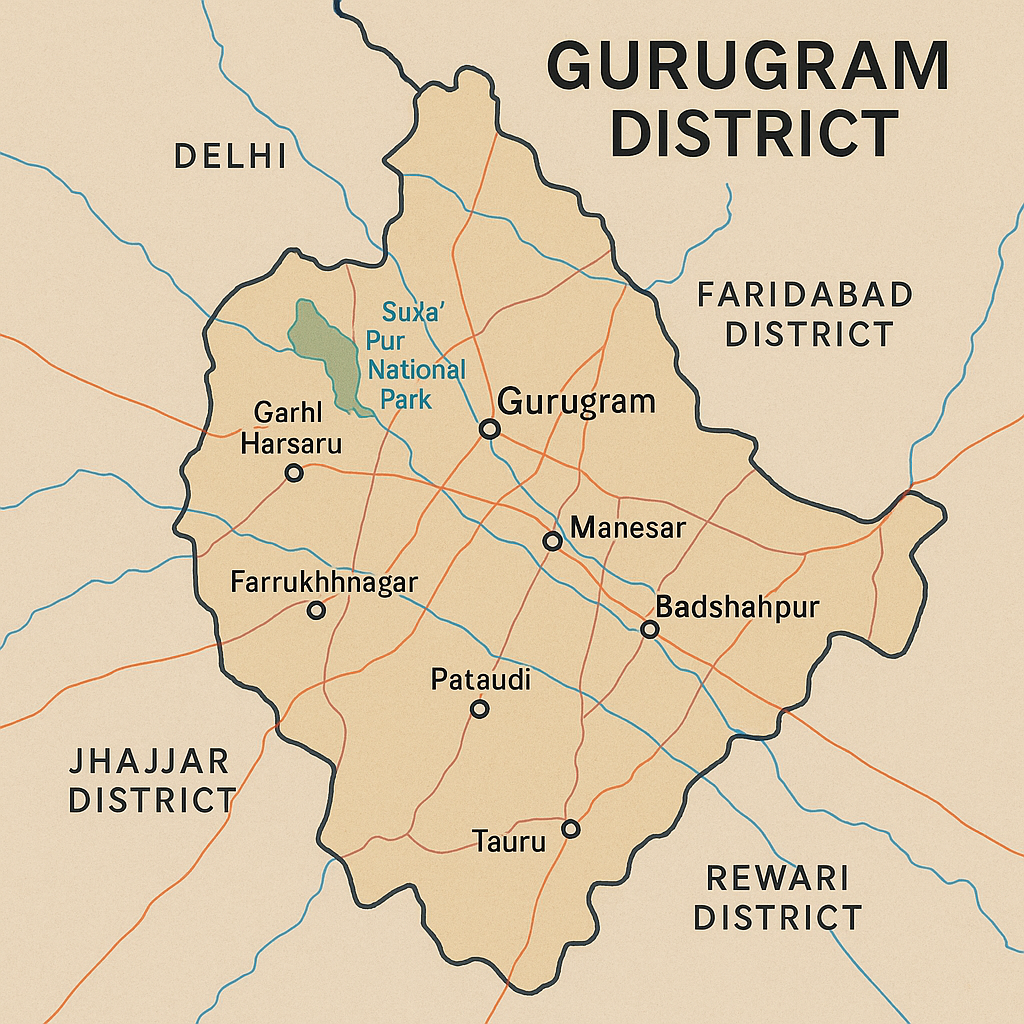
It is part of the Aravalli mountain range in parts, featuring a mix of semi-arid plains and low hills. It shares borders with:
- Delhi to the north
- Faridabad district to the east
- Rewari and Jhajjar districts to the west and south
Climate:
Type: Sub-tropical and semi-arid
Summer (April–June): Hot and dry, 30°C–45°C
Winter (Dec–Feb): Cool, 7°C–20°C
Monsoon (July–Sept): Moderate rainfall
Administrative Setup (Tehsils, Blocks)
It is administratively divided into 5 tehsils and 5 blocks:
Tehsils:
- Gurugram
- Sohna
- Pataudi
- Badshahpur
- Manesar
Blocks:
- Gurugram
- Sohna
- Pataudi
- Farrukhnagar
- Manesar
The Deputy Commissioner (DC) heads the district administration, supported by officers managing education, health, development, and law & order.
Demographics (Population, Literacy)
According to the 2011 Census, It had:
- Total Population: ~1.51 million
- Urban Population: ~1.05 million
- Literacy Rate: ~84.4%
- Sex Ratio: 853 females per 1,000 males
Its’s population has likely grown significantly post-2011, driven by migration and urban expansion.
Economy and Major Industries
It is one of India’s wealthiest districts and a major contributor to Haryana’s GDP.
Key Economic Drivers:
- IT and ITES: Hosts global firms like Google, Microsoft, Accenture, and Infosys
- Automobile Industry: Maruti Suzuki’s headquarters and manufacturing unit
- Real Estate: Rapid urban development with luxury apartments and corporate parks
- Retail and Hospitality: Home to luxury malls, hotels, and entertainment hubs
It has also emerged as a start-up ecosystem rivaling Bengaluru.
Education and Healthcare Facilities
Prominent Educational Institutions:
- GD Goenka University
- Amity University
- The Shri Ram School
- DPS, Sector 45
Major Hospitals:
- Medanta – The Medicity
- Fortis Memorial Research Institute
- Artemis Hospital
- Max Hospital
The district offers world-class healthcare and international-standard education.
Places to Visit in Gurugram / Tourist Attractions
It may be known for its urban skyline, but it also offers several cultural and recreational attractions:
Top Places to Visit:
- Sultanpur National Park – A paradise for birdwatchers
- Leisure Valley Park – Green lungs amidst the city
- Kingdom of Dreams – India’s first live entertainment theatre
- Sheetla Mata Mandir – A historic temple visited by lakhs
- Heritage Transport Museum – Unique display of India’s transport legacy
- Cyber Hub – A hub for food and nightlife
Culture and Local Lifestyle
It is a melting pot of traditional Haryana culture and global urbanism. While rural areas still celebrate folk dances like Ghoomar and Ragini, the city showcases cosmopolitan lifestyles, diverse cuisines, and a thriving art scene.
Festivals like Diwali, Holi, and Teej are celebrated with grandeur.
How to Reach Here?
By Road:
- Well-connected via NH-48 (Delhi-Jaipur Highway)
- Extensive bus network by Haryana Roadways and private operators
By Rail:
- Gurugram Railway Station connects to major Indian cities
- Garhi Harsaru Junction for freight and alternate routes
By Air:
- Indira Gandhi International Airport (IGI), Delhi (15–20 km away)
- Easily accessible via Expressway and Metro
Frequently Asked Questions about Gurugram District
Q1. What is It famous for?
Ans: Gurugram is known for its corporate offices, luxury lifestyle, and modern infrastructure.
Q2. How many tehsils are there in it?
Ans: There are five tehsils – Gurugram, Sohna, Pataudi, Badshahpur, and Manesar.
Q3. Is it good for tourism?
Ans: Yes, Gurugram offers natural parks, entertainment hubs, and heritage attractions.
Q4. When was its renamed from Gurgaon?
Ans: In April 2016, the Haryana government officially renamed it Gurugram.
Q5. How far is it from Delhi?
Ans: It’s approximately 30 km from central Delhi and easily accessible via Metro or road.
Conclusion
Gurugram district stands as a symbol of modern India, blending history, culture, and rapid development. From serene bird sanctuaries to a towering urban skyline, Gurugram is more than a corporate hub — it’s a destination full of opportunities, experiences, and legacy.